Forest Homes
Architect-led design for homes on wooded acreage, rural properties, and exceptional natural sites throughout Western Washington.
We collaborate with homeowners to design custom homes on sensitive sites. Complex conditions are met with clarity and restraint to create homes in harmony with nature. With spectacular sites, first design moves are made by the site.
We are a great fit for you
You are planning a custom home or major remodel in the Puget Sound
You value natural light, quality materials, and thoughtful space planning
You want an architect-led process (not stock plans)
Custom homes need to pay special attention to:
Site constraints such as steep slopes and septic systems
Plan optimization to maximize truly usable space
Building performance such as air barrier detailing and mechanical systems
Permitting including critical area and shoreline rules
Partner with a Trusted Guide
As your architect, we care deeply about beautiful homes and know how to deliver them in difficult, real world conditions. An architect’s role is to champion your vision through complexity—bringing experience, judgment, and clarity to the process.
We believe better homes are the result of better decisions. A big part of an architect's job is helping homeowners understand the possibilities, explore the tradeoffs, and make informed choices with confidence. Our Design Guides are a great place to start.
First Step
Most projects begin with a short introductory phone call to understand scope, site, and fit.
Featured Projects
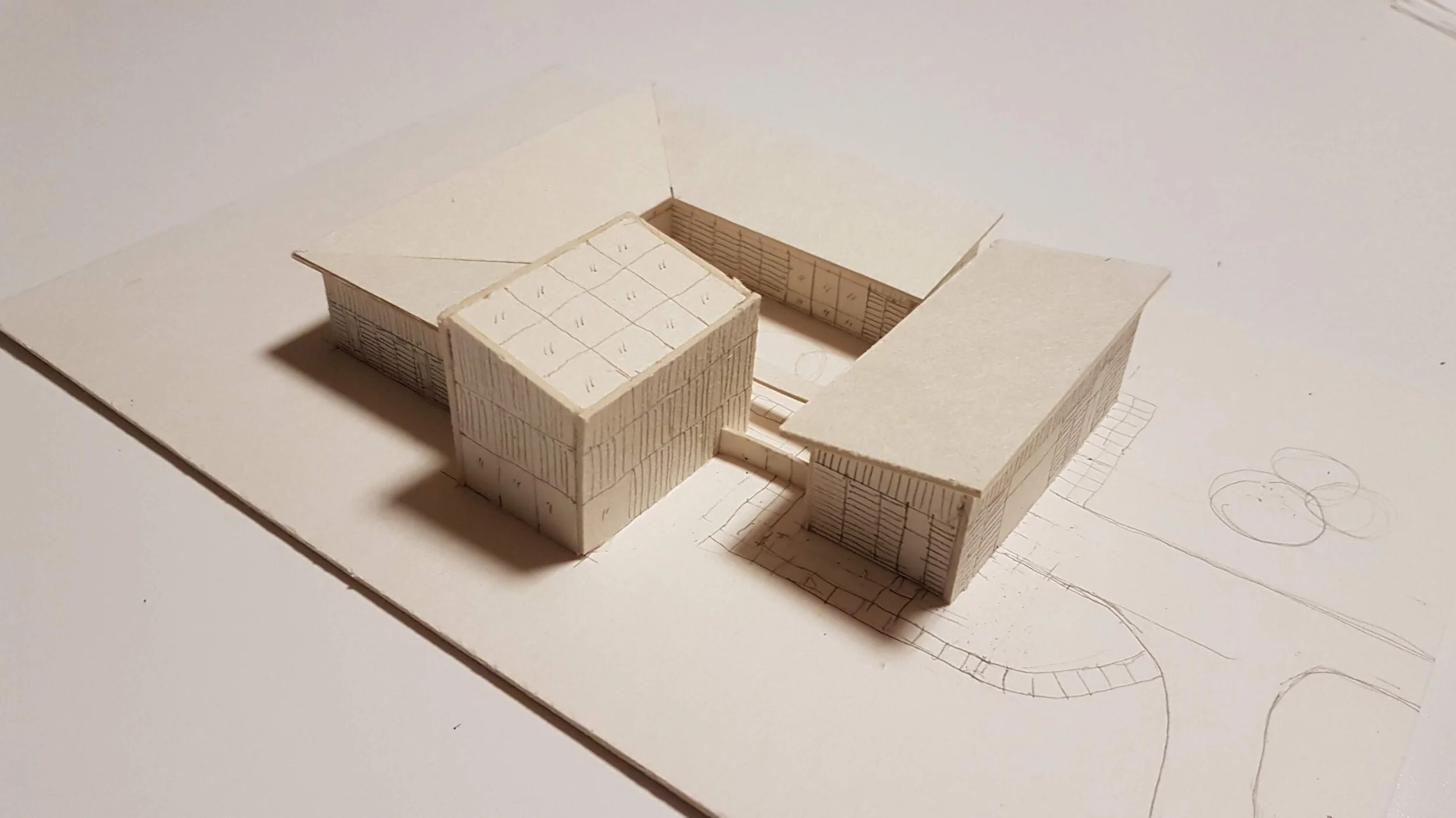
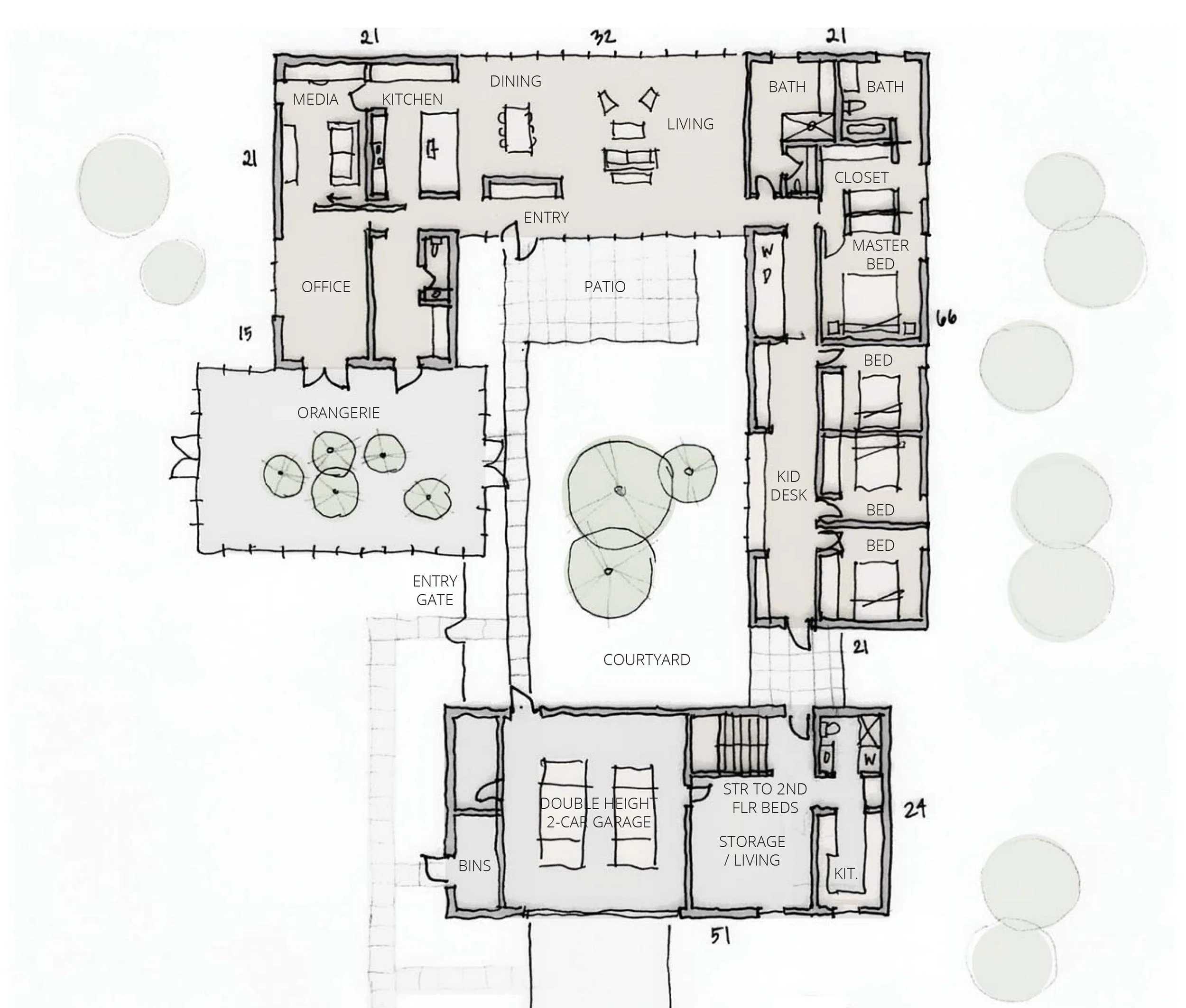
Forest Courtyard House
A low-maintenance refuge featuring durable materials, light filled interiors, and modern home conveniences immersed in nature.
Bainbridge Island Residence
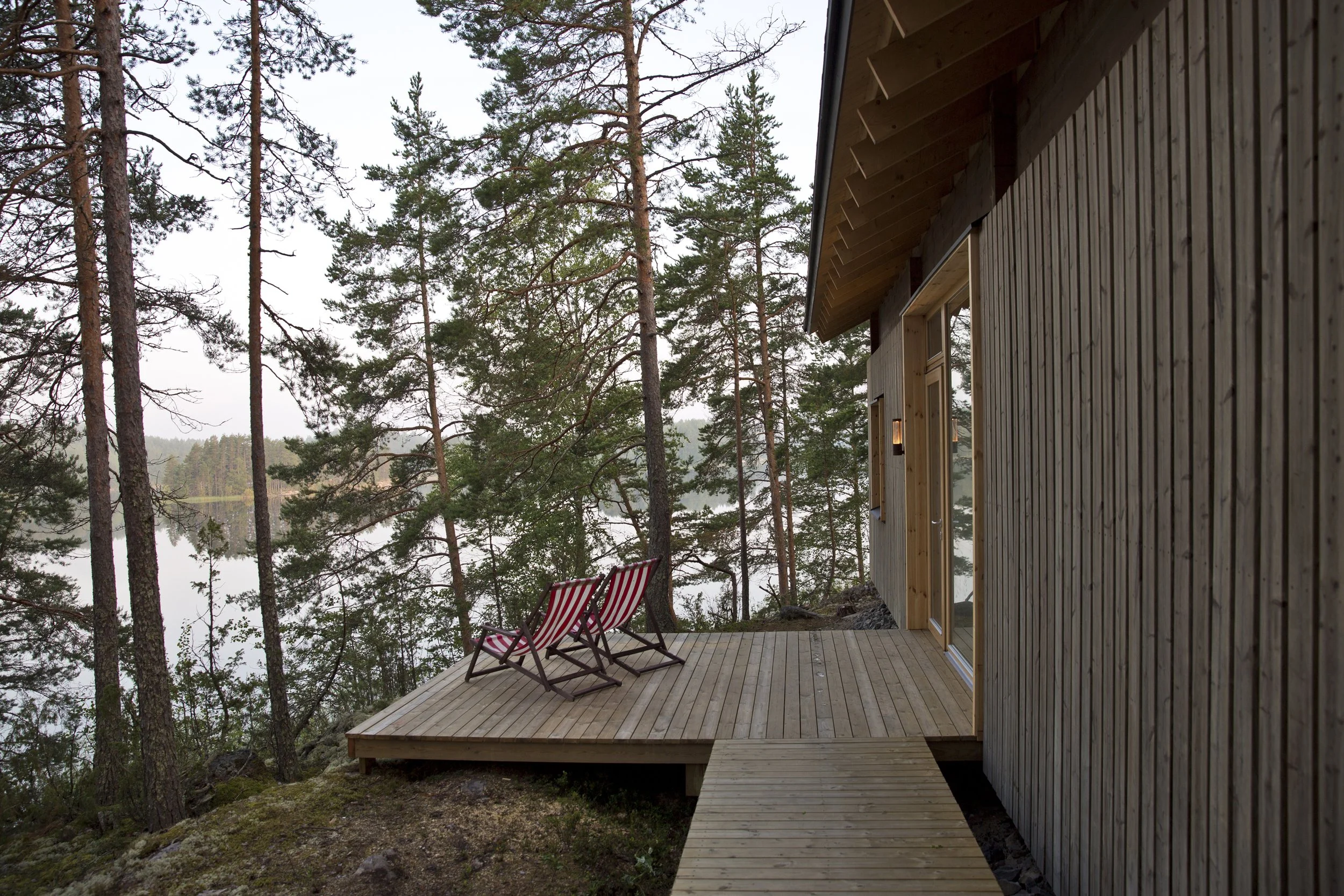
Saimaa Lakeside Cabin
Lakeside house where warm wood, big windows, and a restrained material palette create a welcoming place to gather and relax.
Waterfront Family Retreat
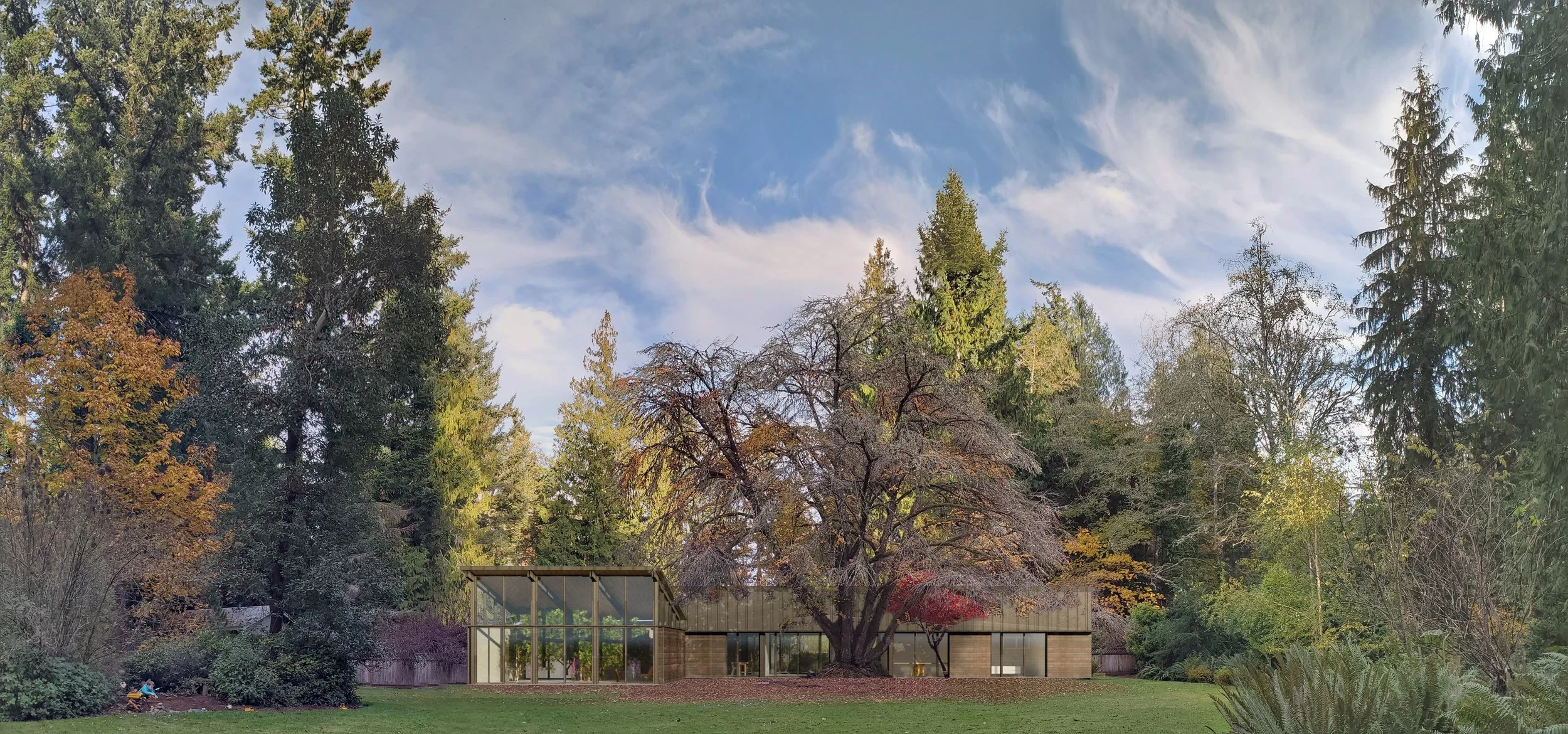
Kitsap Whole House Remodel
Grand Renovation
Extensive remodel existing estate with mature landscaping bringing high-performance walls and air tight enclosures to a previously drafty home.
What is a forest home?
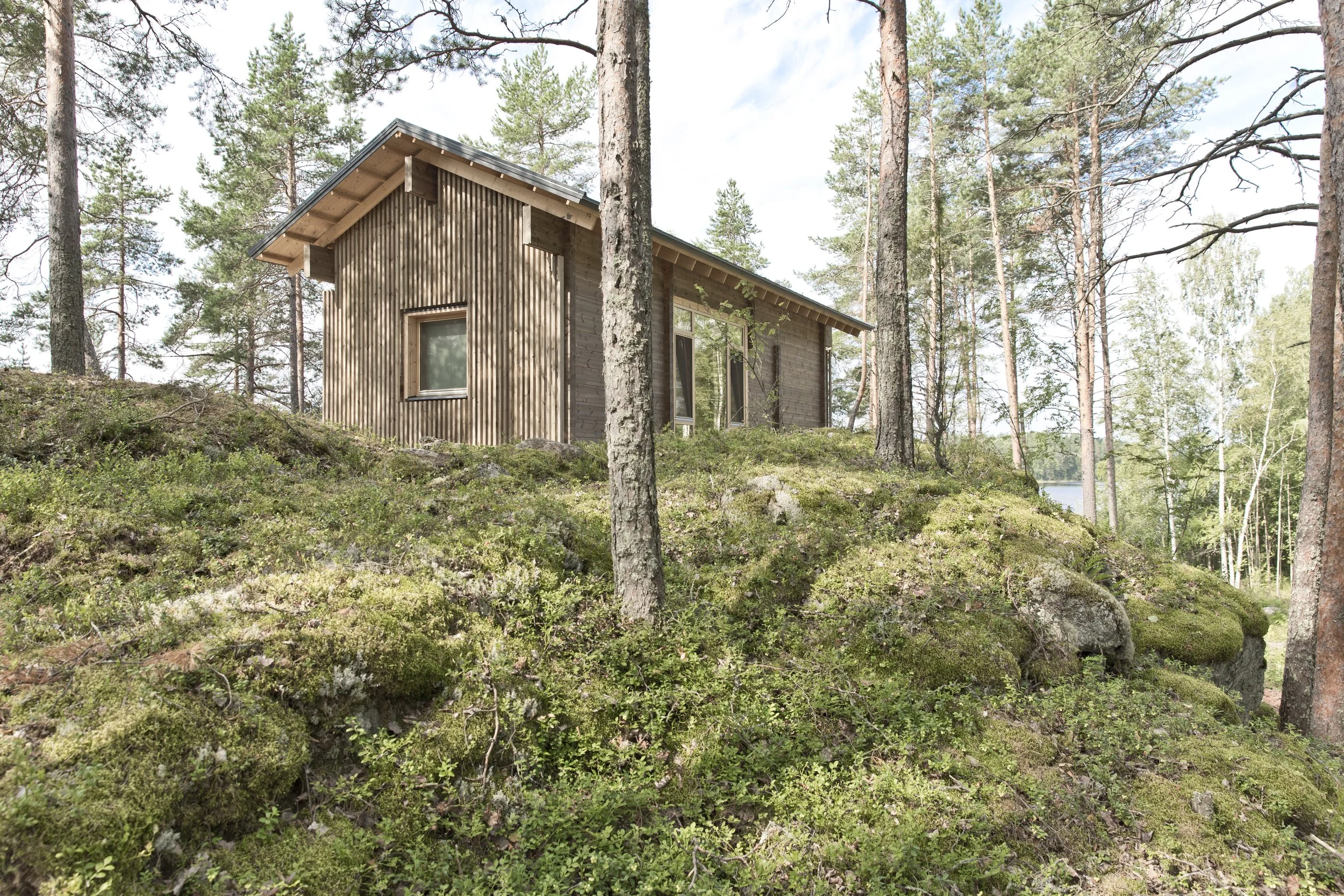
A forest home is a way of working with a site that is already complete.
The forest is not a backdrop, it is the starting point. Design begins by observing what is already there: the rhythm of trees, the movement of light, the slope of the land, and the quiet patterns of seasonal change.
The intention is not to impose something new, but to introduce a structure that belongs.
A forest home is shaped by the relationship between three conditions:
the permanence of architecture
the softness of designed landscape
and the wild, unedited character of the forest
The strongest moments are found in between, where these conditions overlap. Covered outdoor rooms that extend living space. Windows that frame dense vegetation rather than distant views. Courtyards held gently within the building form. Transitions where inside and outside feel closely linked, but still distinct.
To learn more, read our article: Design a Forest House: A Guide for the Large Wooded Lot in the PNW
How much land do I need?
A forest home does not require a large property.
While it is often assumed that 5–10 acres are needed, the feeling of a forest home comes more from tree cover than parcel size.
In many cases, around 2.5 acres of mature or partially wooded land is enough to create a strong sense of immersion.
What matters is less the scale and more the qualities of the site:
continuous or perimeter canopy
limited visual disruption from neighboring structures
depth within the landscape, so views extend through layers of trees
Smaller sites can feel surprisingly private when they are heavily wooded. Larger sites lose their sense of enclosure if they are overly cleared.
A forest home is ultimately about how the site is experienced, not how large it is on paper.
To learn more, read our article: Is My Land Buildable in Kitsap County? A Homeowner’s Guide
Materials, Durability, and Fire-Aware Design
Forest homes place higher demands on materials. Sites are often more remote, access can be limited, and exposure to moisture, debris, and fire risk is part of the context. For that reason, material choices are guided by durability and long-term performance as much as appearance.
Sustainability may not be the starting point of the design, but it is the outcome of long-term thinking, durable materials, efficient systems, and spaces designed to remain relevant over time. When a home is designed to require less maintenance, respond passively to its environment, and avoid unnecessary complexity, its environmental impact naturally reduces. Fewer interventions, fewer replacements, and fewer fragile assemblies all contribute to a quieter, more resilient form of sustainability.
In this sense, sustainability is not a separate layer added to the design. It is embedded in the decision to build simply, carefully, and for the long term.
To learn more, read our article: Architect’s Key Materials for Beautiful, Durable Homes in Kitsap County
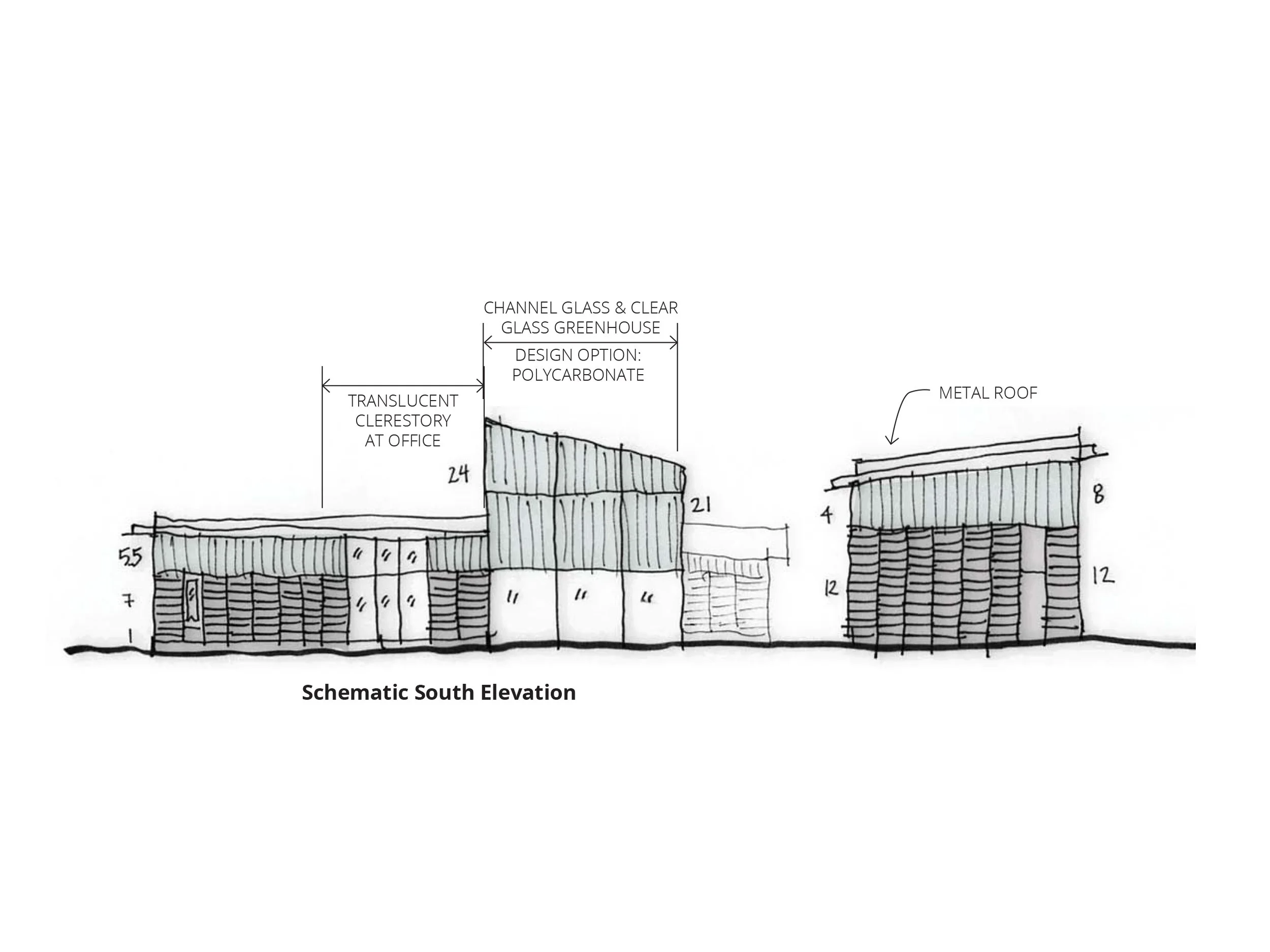
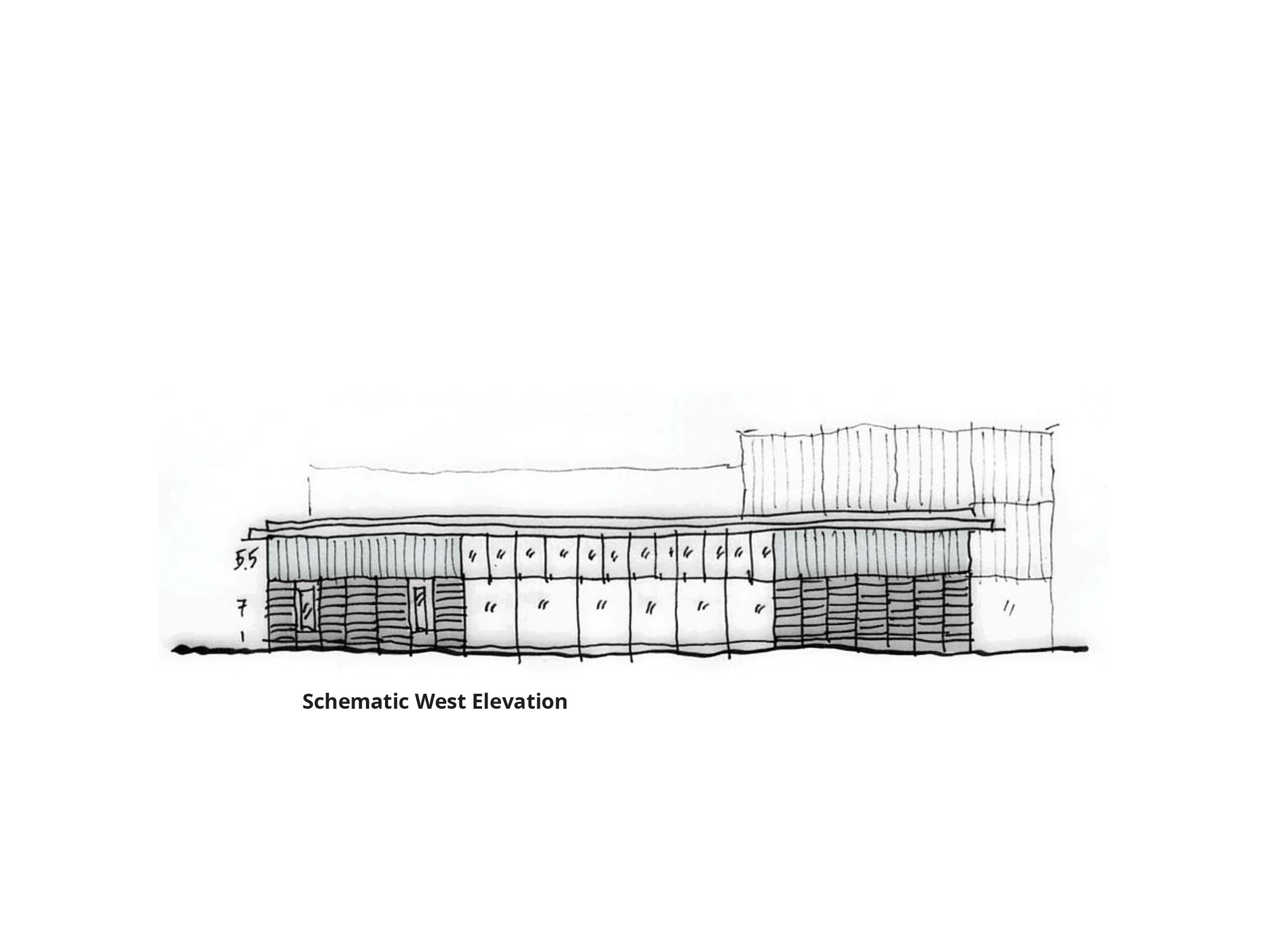
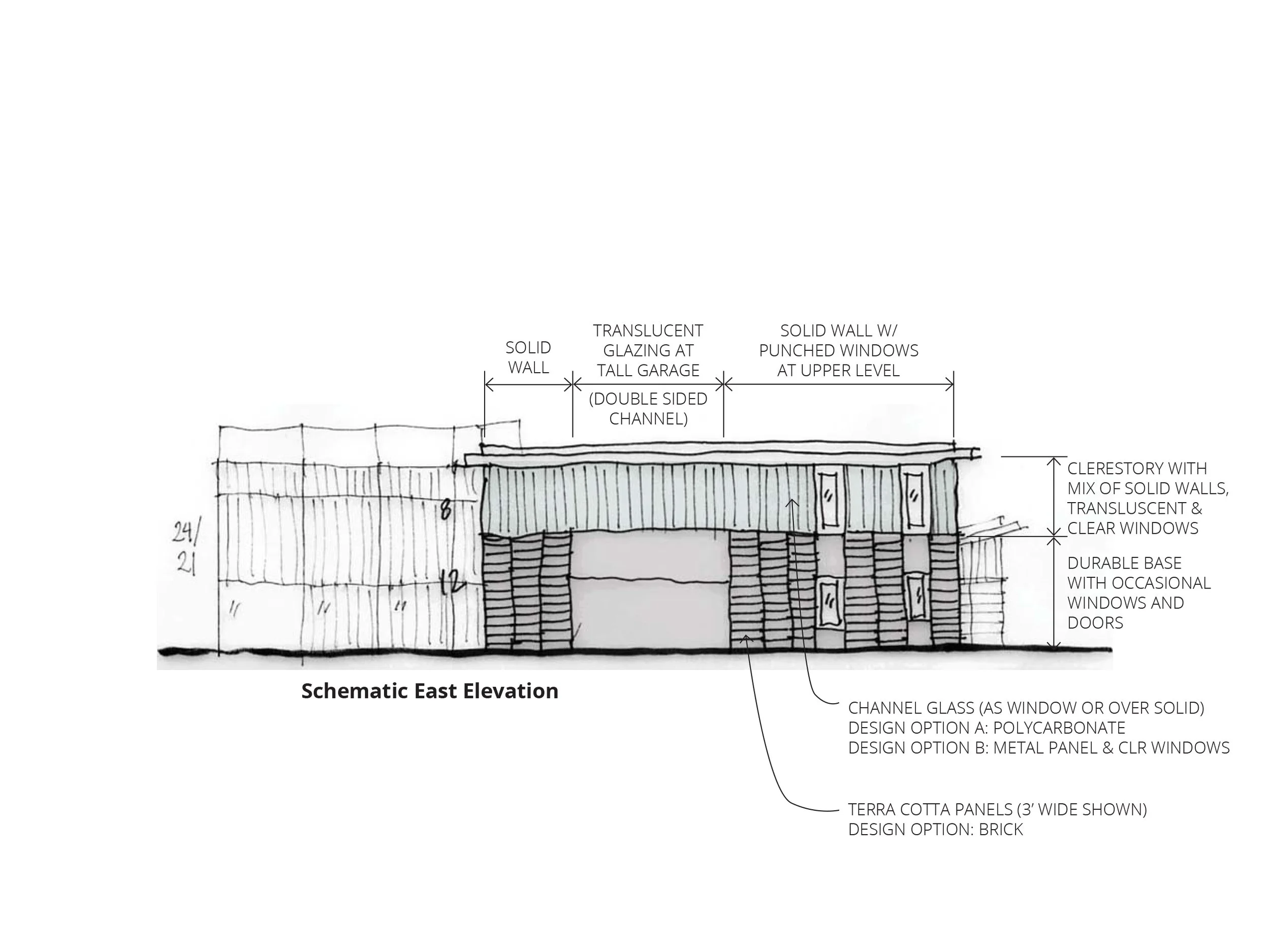
Anatomy of a Forest House
Spectacular Site, either large acreage or small site with borrowed expansive views
Layered Zones: Interior, Indoor/Outdoor, Manicured Landscape, Native Landscape
Durable Materials and High-Performance Building Envelope
Framed Views and Natural Light
What happens next?
Initial Conversation
Site + Program Understanding
Concept Design
Design Development
Permitting + Documentation
Construction Support
A custom home requires a thoughtful response to site conditions, careful refinement of the plan, detailed materials selections, and well-considered building systems. The result is a home that looks beautiful, feels comfortable, and is a joy to live in.
We focus on:
Custom residential architecture
Major remodels and additions
High-quality detailing suited to the Pacific Northwest
Scandinavian Aesthetics (clean lines, natural light, practical layouts, restraint, connection to nature)
We do not offer:
Pre-designed or stock home plans
Drafting-only permit services
Still Exploring Ideas?
Our design workbook helps homeowners discover what matters most before committing to a design. A link to our book “Before the Plan: Start with Words” and 1-page Design Guides can be found here.