Why Scandinavian Architecture Works So Well in the Pacific Northwest
Many homeowners are drawn to Scandinavian design for its material palette, clean lines and minimalist aesthetic. Something often overlooked is that these homes are not just designed to look beautiful, but they also perform exceptionally well in climates very similar to the Pacific Northwest. Scandinavian design is not just a style, but a logic or way of thinking about buildings.
1. Designing for Low Light and Long Winters
Both Scandinavia and the Pacific Northwest experience extended periods of gray skies and limited daylight. Scandinavian architecture responds to this reality by prioritizing:
Natural Light with large, well-placed windows
Thoughtful orientation to capture southern exposure when possible
Light reflective interiors using pale woods, soft whites and muted tones
Applying hygge culture by not being too serious and leaving room for ease, personality and moments of delight
In the PNW, these strategies are directly applicable. Creating bright, soothing interiors lightens up even the darkest winter days.
2. Natural Materials
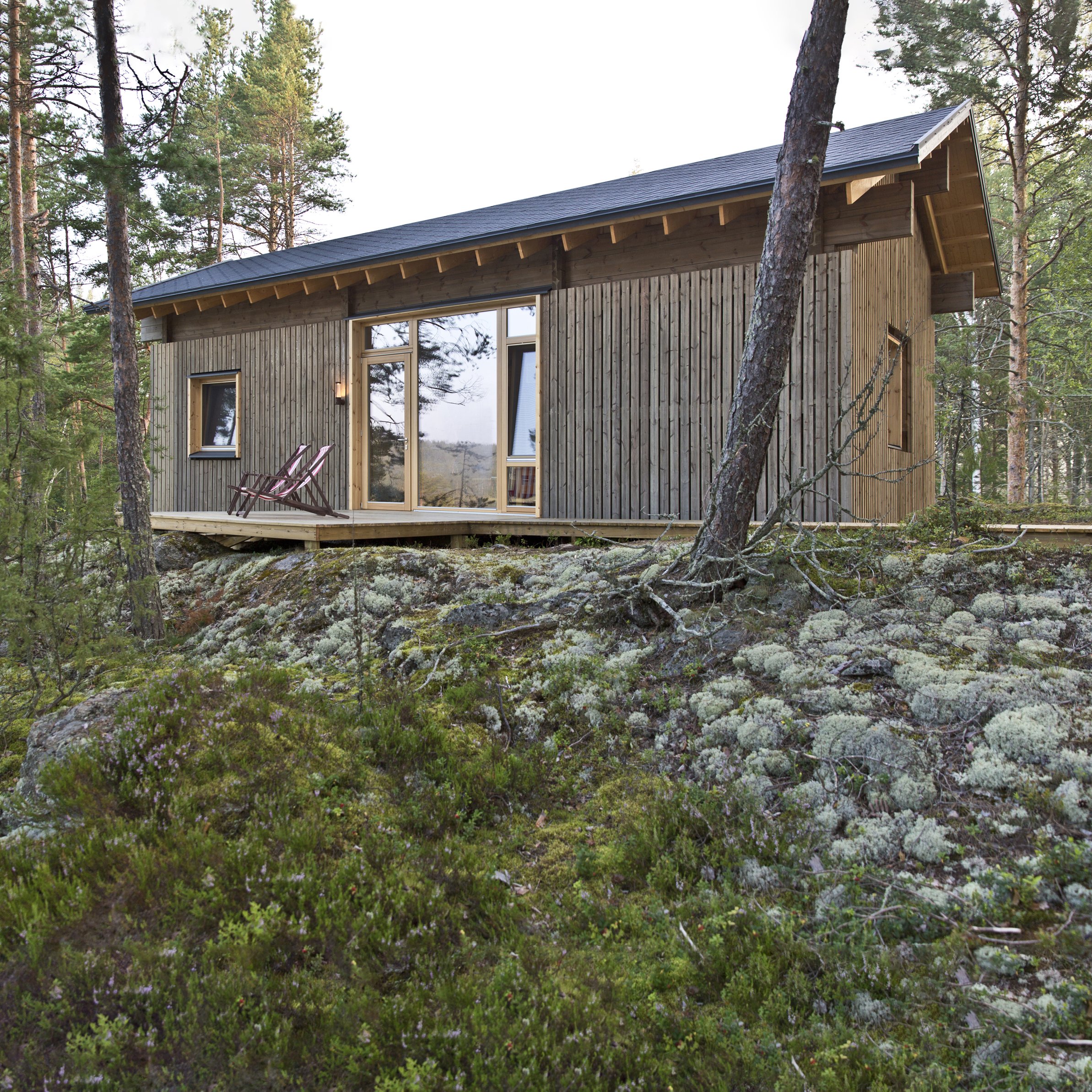
Scandinavian architecture favors natural materials like wood, stone and metal, used simply. These materials are not just beautiful, durable, but can make you feel good.
Wood type selected for resilience, either naturally resistant species or thermally treated wood products
Cladding detailed and designed to shed water and dry quickly
Preference for repairable, long lasting materials
Fewer maintenance surprises by using higher quality products and installation
Biophilic wood interiors make you feel good and connected to nature
This material philosophy translates seamlessly to the Pacific Northwest, where durability and moisture management are essential.
This material ethic has a clear parallel in the PNW’s Craftsman tradition, which likewise celebrates high-quality wood and careful workmanship. The difference is in how that care shows up. Craftsman homes often express craftsmanship through layered trim and decorative details you can see. Scandinavian design puts that attention into how the house is built, how the walls manage moisture, and how the home performs over time. The result is simpler forms and fewer decorative layers.
3. Indoor-Outdoor Living
While Scandinavian homes may not conjure up images of sun-drenched patios, they excel at blurring the line between indoors and outdoors in clever, climate-appropriate ways:
Deep window seats and built-ins that invite you closer to nature
Covered outdoor spaces that extend use through shoulder seasons
Prioritizing visual connections to nature through framed views
Skylights that bathe areas with ambient light
Fresh air is a necessity, either through operable windows or a sophisticated air filtration system
Outdoor living in the PNW maybe hampered by rainy weather, but you can still feel that daily connection to your landscape by embracing these techniques.
4. Restraint as a Design Strategy
One of the most misunderstood aspects of Scandinavian design is its minimalism. This is not about austerity, but practicality. Scandinavian designs feature:
Fewer materials to reduce material transitions and complexity
Clear spatial organization that allows for simple structural solutions
Built-in storage to reduce visual noise and free up floor spaces for other uses
When your home is a retreat from a busy professional life, the sense of calm found in a Scandinavian home is especially appreciated. Spaces are not overstimulating, and instead restrained, functional and connected to nature.
5. Sustainability Through Common Sense
Long before sustainability became a buzzword, Scandinavian design prioritized high-performing buildings out of necessity. In cold, wet climates, a poorly built house simply does not work. Efficiency and durability are core principles of Nordic homes, and not optional upgrades.
Highly insulated envelopes to increase comfort and reduce heating bills
Energy-efficient glazing with not just high quality glass, but strategic use of operable windows
Compact, efficient floor plans make it easier to create airtight buildings
These principles align closely with the environmental values shared by many Pacific Northwest homeowners. Building a high-quality home that lasts for generations—and is cared for rather than replaced—is one of the most sustainable choices you can make.
6. A Mindset, Not Just a Style
Scandinavian design is not about copying a look. It is about applying a mindset or design strategy. Nordic design resonates with many in the Pacific Northwest because of shared values:
A desire to connect with nature
Preference for less, but higher quality
Interest in long-term building performance and operating costs
7. Studio Kamppari Scandinavian
At Studio Kamppari, we draw from Scandinavian and Nordic precedents not as a style, but as a framework — designing custom homes in Kitsap County and the greater Seattle area that feel calm, durable, and connected.
Learn more about our Scandinavian-Inspired Custom Homes or Contact Us to set up an introductory phone call to discuss your project.
Related Articles:
Design Resources:
If you are interested in Scandinavian Design, you may be interested in our book “Building Finnish: Question Your Plan” which transforms a common American floor plan into a Finnish plan one step at a time. This book and 1-page Design Guides can be found here.